

Type 2 Diabetes mellitus
T2DM is a major public health problem and approximately 1 in 4 adults in our country has either diabetes or prediabetes.
The reason behind this increase prevalence is sedentary lifestyle, lack of exercise, urbanization, stress and genetics.
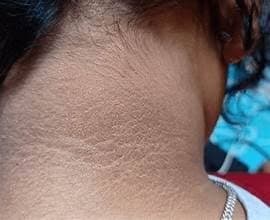
The main pathophysiology behind T2DM is insulin resistance which is mainly due to excess fat . Looking for the signs of insulin resistance like presence of acanthosis nigricans ( fig1), skin tags is very important for early diagnosis of the disease.
As diabetes is a silent disease, it often doesnot cause any symptoms unless blood glucose level is extremely high where symptoms like increse thirst, increase apetite, increase urination, poor wound healing , blurry vision is pressnt, wight loss are present.
Diagnosis is important and can be done with fasting plasma glucose ( FPG) , Hba1c, and post prandial plasma glucose (pppg) or 75gm oral glucose tolerance test (OGTT).
Diabetes mellitus causes complications like microvascular and macrovascular . Microvascular complications are diabetic nephropathy, diabetic retinopathy, diabetic neuropathy.Macrovascular complications include cardiovascular disease, cerebrovascular disease and peripheral artery disease.
Screening for these complications are must at the time of diagnosis and annually or more frequently if needed.
Treatment of T2DM include oral medications like metformin, DPP4 inhibitors, SGLT2i, GLPRA / Dual GLP/GIP receptor agonist, pioglitazone, sulphonylureas, glucosidase inhibitors and insulin
Insulin is must when someone has severe hyperglycemia, osmotic symptoms, weight loss or cachexia , Hba1c >10%, pregnancy ,perioperative period and in case of oral antidiabetic drug failure.